An Achilles tendon rupture is a relatively common injury that occurs when the Achilles tendon, which connects the calf muscles to the heel bone, tears or partially tears. This tendon is essential for various activities involving the lower leg, such as walking, running, and jumping. Achilles tendon ruptures can be quite painful and often require medical treatment.
Causes: These injuries typically result from a sudden and forceful contraction of the calf muscles, such as during a quick sprint or jumping activity. Achilles tendon ruptures can also happen due to chronic overuse or degeneration of the tendon over time.
Symptoms: Common symptoms of an Achilles tendon rupture include a sudden and sharp pain in the back of the lower leg or near the heel, a popping or snapping sensation at the time of injury, difficulty walking or standing on tiptoe, swelling, bruising, and weakness in the affected leg.
Diagnosis: A healthcare professional, usually an orthopedic specialist, can diagnose an Achilles tendon rupture through a physical examination, which may include checking for the “Thompson test,” where they squeeze the calf muscle while observing the movement of the foot. Imaging tests like an ultrasound or MRI may be used to confirm the diagnosis and assess the extent of the injury.
Treatment: Treatment options for Achilles tendon ruptures can vary based on the severity of the injury, a patient’s age, activity level, and overall health. Common treatment options include:
- Non-surgical treatment: In some cases, a non-surgical approach involves wearing a cast or walking boot with the foot pointed downward (equinus position) for several weeks to allow the tendon to heal naturally. Physical therapy and exercises to strengthen the calf muscles are often part of the recovery process.
- Surgical treatment: Surgery is often recommended for younger, active individuals or for complete tendon ruptures. Surgical techniques may involve stitching the torn ends of the tendon back together (tendon repair) or using a graft from another tendon to reinforce the repair. Post-surgery, patients typically require a period of immobilization and rehabilitation.
Recovery: Recovery from an Achilles tendon rupture can be a lengthy process, often taking several months. Physical therapy plays a crucial role in restoring strength and flexibility to the calf and ankle. Gradual return to activities and sports is essential to prevent reinjury.
Complications: If not properly treated and rehabilitated, Achilles tendon ruptures can lead to long-term complications, such as weakness, stiffness, and an increased risk of re-rupture. It’s important to follow the prescribed treatment plan and engage in rehabilitation exercises to minimize these risks.
Prevention: To reduce the risk of Achilles tendon ruptures, individuals can:
- Stretch and warm up properly before physical activity.
- Gradually increase the intensity and duration of exercise.
- Wear appropriate footwear with proper arch support.
- Avoid overtraining and excessive strain on the Achilles tendon.
Advertisement:
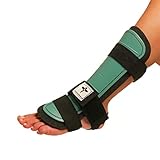
- ✔ WHAT CAN YOU USE THE ACHILLES RUPTURE NIGHT SPLINT TO TREAT? - The splint is designed specifically for Achilles tendon rupture. Rupture means that the tendon is completely torn. The Thetis splint holds your foot plantarflexed (toes down) at 155 degrees. This angle ensures optimal healing. N.B. this splint is NOT SUITABLE for Achilles Tendinitis, Achilles Tendinopathy, Plantar Fasciitis or Broken Bones.
- ✔ WHY DO YOU NEED AN ACHILLES RUPTURE NIGHT SPLINT? - If you have torn your Achilles tendon, this splint makes recovery more comfortable. For three months you are advised to wear a cast or orthopaedic boot to hold your foot plantarflexed (tip-toes). This keeps your tendon in the best position for healing. This position is needed at ALL times, day and night. Nobody likes wearing the boot in bed. The Thetis brace is light and breathable, allowing you to safely rest without the boot.
- ✔ WHEN CAN YOU USE THE ACHILLES RUPTURE NIGHT SPLINT? - The splint is designed to be used instead of your orthopaedic boot, but only when you rest. You cannot walk in the splint without crutches. If you had surgery on your Achilles you should allow two weeks for wound healing (check with your surgeon before use). The splint can be used to provide relief when sitting or lying, giving relief from your orthopaedic boot. You MUST NOT walk or stand in this splint.
- ✔ NON-SLIP ELASTIC STRAPS AND SECURE BOOSTER STRAP - non-slip silicone on the elastic straps maximises both comfort and security. The booster strap wraps around the ankle and features strong, zero-flex webbing to prevent the foot from bending up (dorsiflexion). This ensures optimal positioning to protect the healing tendon. The innovative elastic strap around the heel ensures security without contact against the injured Achilles.
- ✔ THE ONLY ACHILLES RUPTURE SPLINT - This patented product is designed and manufactured in the UK by Achilles splint specialists, Thetis Medical. The brace has been designed alongside specialist Consultant Orthopaedic Foot and Ankle Surgeons. Every feature of the splint is clinician approved. The Thetis Achilles Rupture Night splint is unique - it is the only lightweight purpose-made device suitable for resting while you recover from an Achilles rupture.

- Hygienic - Removable sole & washable liner. (second liner recommended)
- Can be easily removed and reapplied
- Comfortable - Vacuum insert conforms to individual leg and ankle shape
- If your doctor let's you swim, our boot can swim with you! (Extra liner required)
- More efficient and cost friendly that other conventional treatments

- OPTIMIZED combination of effective stabilization and superb wearing comfort, Natural flow of movement of the foot remains possible through plantar/dorsal movement
- EXCELLENT grip around the ankle area thanks to VACO12 cushion, VACOpad for optimized adaptation to individual anatomical requirements.
- OPTIMIZED treatment of swelling since the brace offers space to accommodate it
- SLIM design to allow it to be worn easily inside a shoe, elastic straps for high wearing comfort
- SIZING based on shoe size

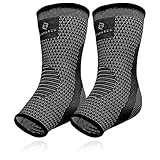
- ALLEVIATE FOOT PAIN AND IMPROVE YOUR MOBILITY - BENMARCK ankle sleeves for men and women contribute to faster muscle recovery and provide instant relief to your ankle, heel and Achilles tendon. Our socks are perfect chronic conditions treatment for Plantar Fasciitis, edema, swelling, Arthritis, Osteoporosis, Tendonitis and other ankle and heel pain symptoms and orthopedic discomforts. Why suffer from foot pain any longer? Walk freely and enjoy the PAINLESS EXERCISE again with our support sleeves
- FEEL TRUE COMFORT AND PREMIUM QUALITY - Made from a lightweight, moisture wicking fabric, our ankle wraps will keep you comfortable and fashionable all day. Whether you wear them at work in your shoes, during your free time activities or sports such as athletic workouts, football, hiking, gymnastics, CrossFit, tennis, volleyball, soccer, fitness, basketball or at night while sleeping. Your feet will love the support and comfort level our ankle braces provide them!
- PROTECT YOUR FEET AND PREVENT INJURIES - Thanks to their ergonomic design the pediatric support socks for men and women provide just the right level of compression to your ankle, heel and arch, preventing them from sudden sprains and twists of your feet. Minimize the risk of injury while walking, running or exercising and get your pair of ankle sleeves by clicking "Add to cart" button.
- LOOK GOOD AND WEAR WITHOUT LIMITATION - Made from a soft fabric and designed in cooperation with physioterapists and trainers, you will not experience the heavy and itchy feeling as common for neoprene support braces. Our compression socks support blood flow and joint stability and thus preventing from formation of heel spurs.
- 30 DAY MONEY BACK GUARANTEE - Your satisfaction is our priority. Therefore, all BENMARCK products are backed by 100% happiness guarantee. Please contact our professional customer service if the sleeves don't meet all your needs or in case of any manufacture defects. We will do whatever it takes to ensure your satisfaction. Worst case scenario, we'll refund you the full price. No questions asked!

- Eugenia, Dr. Spineanu (Author)
- English (Publication Language)
- 112 Pages - 01/20/2024 (Publication Date) - Independently published (Publisher)

- 𝐔𝐋𝐓𝐈𝐌𝐀𝐓𝐄 𝐓𝐄𝐌𝐏𝐄𝐑𝐀𝐓𝐔𝐑𝐄 𝐂𝐎𝐍𝐓𝐑𝐎𝐋: Experience lasting comfort with the Coldest ankle ice pack wrap! Utilizing advanced Coldest Webbing Technology, it sustains temperatures for an extended period, ensuring even cold distribution. Carefully crafted design reduces nerve inflammation and soothes muscle, joint, and tendon pain, making it ideal for knee recovery post-injury or surgery. Elevate your healing experience with the Coldest ankle ice pack.
- 𝐓𝐀𝐑𝐆𝐄𝐓𝐄𝐃 𝐀𝐍𝐊𝐋𝐄 𝐒𝐏𝐑𝐀𝐈𝐍 𝐑𝐄𝐋𝐈𝐄𝐅: Is persistent ankle pain hindering your mobility? Unlock accelerated healing with the Coldest ankle ice wrap, meticulously crafted for targeted ankle sprain relief in conditions like Achilles Tendon Injuries, Plantar Fasciitis, and more. Swiftly minimizing pain and swelling for post-surgery recovery, the foot ice pack is also tailored for heel and sore feet cold therapy, offering a personalized, cooling embrace for enhanced recovery.
- 𝐔𝐍𝐌𝐀𝐓𝐂𝐇𝐄𝐃 𝐐𝐔𝐀𝐋𝐈𝐓𝐘: Discover premium therapy with the Coldest Foot Ice Pack Wrap. where flexibility, durability, and reusability perfectly harmonize. It seamlessly molds, delivering personalized relief for arthritis, sprains, and injuries. The Ankle Ice Sleeve’s cold therapy provides unparalleled pain management efficacy, ensuring hands-free convenience and enhancing the overall therapeutic experience. It's a comprehensive solution for your unique needs.
- 𝐑𝐄𝐋𝐈𝐄𝐅 𝐎𝐍-𝐓𝐇𝐄-𝐆𝐎: Introducing premium therapy tool that is easy, lightweight, and reusable. Meet the Coldest ice pack for ankles, your solution for ankle pain relief while you’re on-the-go. Velcro straps securely anchor the ice pack, providing stability, while the lightweight design ensures mobility, and adjustability offers a snug fit. Walk comfortably with the Coldest ankle ice wrap, experiencing targeted relief; don't let pain confine you any longer.
- 𝐓𝐀𝐈𝐋𝐎𝐑𝐄𝐃 𝐅𝐎𝐑 𝐀𝐓𝐇𝐋𝐄𝐓𝐈𝐂 𝐄𝐗𝐂𝐄𝐋𝐋𝐄𝐍𝐂𝐄: Athletes are among the most vulnerable to ankle sprains, resulting in compromised game performance. It's time to elevate your recovery game with the Coldest Foot and Ankle Ice Pack Wrap. Flawlessly crafted for dynamic recovery, it wraps snugly for superior support. The Ice Packs for Feet deliver even coolness, while the specialized ankle wraps targets comfort. Don't settle for less; invest in the best.
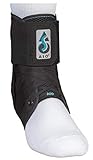
- Stabilizing Straps form a complete figure-eight to protect and support ankle. Woven elastic cuff closure enhances support and secures laces and stabilizing straps
- CoolFlex achilles pad and tongue offers comfort and breathability.
- High quality nylon boot provides superior durability and strength
- Bilateral design so each size will fit left or right foot and low profile to fit in any type of shoe
- Each ankle brace is sold separately and is for single patient use only
We get commissions for purchases made through links on this website. As an Amazon Associate I earn from qualifying purchases.