Iselin’s disease is an unusual reason for pain on the outside in the foot in children and adolescents. Its is an osteochondrosis or traction apophysitis at the end of the fifth metatarsal bone. The peroneal brevis tendon connects on the spot and puts it with a lot of stress. The condition is called after the German doctor Dr. Hans Iselin, that first mentioned it in 1912. That apophysis in the base of the 5th metatarsal bone is a bone tissue growing region that happens frequently shows up at approximately 10-12 years of age, so Iselin’s disease is frequently more prevalent after that age and is also generally associated with a higher level of sports activity. The bigger loads linked with sports activities apply a lot of pressure on this growth area, which in turn increases the chance of excessive use. Usually there isn’t any history of a single traumatic occasion which might have induced the condition.
The most common features of Iselin’s disease are discomfort on the lateral side of the foot, particularly close to the base of the fifth metatarsal bone which can be around the middle of the outside or lateral border of the foot. There can be swelling and discomfort in the affected area too. The discomfort is more painful with weight-bearing movement or walking and may result in a limp. The discomfort will be worse on athletic activity, and it can be very distressing for the kid. X-rays of the area will usually demonstrate a fragmentation and patchiness in the bone tissue with some cystic changes in the bone around the apophysis. This apophysis can also be enlarged on the x-ray. Iselin’s disease shouldn’t be mistaken for some other problems that could cause discomfort on the outside of the foot. This differential consists of a Jones bone fracture (that is a bone fracture at the bottom of the fifth metatarsal); a stress fracture of the fifth metatarsal; a condition called cuboid syndrome; along with a painful os vesalianum that is an extra bone at the bottom of the 5th metatarsal bone.
Treating Iselin’s disease generally begins with lessening physical activity of the youngster to a level that isn’t painful and they might endure. In the event the pain is bad enough, ice and pain medicine may be required following the athletic activity. A total rest from sport can be necessary if that initial activity reduction does not reduce the discomfort. Resting the area can help using splints and orthotics, as well as good supportive footwear. Immobilization with a walking brace or CAM boot will also be required for up to 4 weeks if needed. As the symptoms decrease, the amount of support provided to the foot could be gradually decreased as well as the sports activity levels are often very slowly but surely raised. If this is not performed carefully, the symptoms may well come back and you have to begin yet again. Irregardless of how this treatment helps, Iselin’s disease will always resolve spontaneously by itself as the apophysis, or growth area, fuses with the main body of the 5th metatarsal bone as the skeleton develops as a part of natural development.
Advertisement:

- Breathable Upper: The shoes feature a highly breathable knit upper that offers dependable comfort, keeping your child's feet cool and comfortable.
- Easy On/Off: Equipped with elasticized laces and a hook-and-loop strap, these shoes provide a secure fit that's easy to adjust, making them perfect for active kids who are always on the move.
- Enhanced Comfort: These running shoes are designed with a padded tongue and collar, providing additional comfort and reducing friction.
- Mesh Lining: The breathable lining and cushioned insole ensure a great in-shoe feel, keeping your child's feet comfortable and supported throughout the day's activities.
- MD Midsole: Set on a lightweight molded MD midsole that provides extra comfort and cushioning, absorbing impact and reducing strain on your child's feet.


- Toddlers' laceless tennis sneakers with adjustable straps
- EASY-ON STRAPS: Adjustable hook-and-loop straps allow easy on and off
- LIGHTWEIGHT COMFORT: Synthetic upper for durability and light weight
- RUBBER CUPSOLE: The rubber cupsole provides outstanding grip and an iconic look
- MADE WITH RECYCLED CONTENT: Made with a series of recycled materials, this upper features at least 50% recycled content. This product represents just one of our solutions to help end plastic waste

- 【SLIP ON DESIGN, EASY TO WEAR AND TAKE OFF】With a slip-on design and double side elastic straps, our toddler girls shoes are easy for kids to put on and take off by themselves. Say goodbye to struggles and hello to convenience!
- 【MEMORY FOAM INSOLE, SOFT AND COMFORTABLE】 Our sneakers for girls feature a memory foam insole that encapsulates feet in softness and surrounds them in comfort. The cotton-filled collar provides extra cushioning, ensuring your daughter's feet stay comfortable all day long. With excellent support, these shoes won't tire her feet out!
- 【ANTI-SLIP AND WEAR-RESISTANT SOLE】Enhance your child's safety with the anti-slip sole pattern and impressive grip of these slip-on tennis shoes, featuring a unique design for girls.
- 【AMERICAN DESIGN, CASUAL WEAR IN A VARIETY OF SCENES】Designed in the USA, these slip-on shoes are fashion-forward and versatile, perfect for school and parties alike. Pair them with sportswear or denim jackets to brighten up your child's outfit.
- 【INTIMATE SERVICE, WORRY-FREE SHOPPING】Ensure that the walking shoes are accurately delivered into your hands. If you have any questions, please feel free to contact us. We are dedicated to providing you with the best service.

- 100% Synthetic upper
- Flexible TPR sole
- Easy hook and loop power strap closure
- No tie stretch laces
- Fun retro jogger style, Trusted Carter's quality
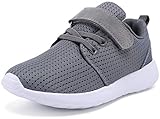
- SURPRISING COMFORTABLE AND DURABILITY SOLE: These premium athletic kids shoes for girls and boys are crafted with incredibly soft soles and breathable materials.Offers ultra-lightweight support,suit for kids running,walking,play tennis or another sports.
- NON-SLIP FEATURES: The grip of the MD sole can effectively prevent slipping, and ensure the safety of kids.
- LIGHTWEIGHT MATERIALS: Our shoes for boys and girls are incredibly lightweight and stylish. We are not clunky and heavy as most childrens running shoes.We would rather it be lighter than a feather.
- SHOCK ABSORBING DESIGN: The soles of our kids athletic sneakers have a shock absorbing technology that protects against bone and muscle strains, and keeps your kids knees, ankles and spine supported.
- WITHOUT TIE UP LACES: Hooks and straps on the instep, no need to tie shoes, making it easy for kids to put on or take off shoes. These Kids Sports Sneakers is perfect for Tennis,walking,hiking,playing,dancing,jogging,running exercise.

- [Fashion Style-Your Best Back to School Shoes]: These toddler shoes is specially designed for your kids to wear when they are back to school.A variety of designs and colors to choose from, the style can be clever or cool or cute, meeting different personalities also different needs.
- [Cozy and Skin-friendly Material]:The uppers of these toddler girls sneakers are made of environmentally friendly and safe canvas materials, skin-friendly and non-irritating. The PVC anti-collision toe cap can protect the toes.
- [Damp-proof Soft Lining]:The lining is made of fine canvas that is deodorant and sweat-absorbent, and is equipped with a soft latex insole. After your child puts on our kids slip on shoes and has fun all day, his feet remain dry and comfortable.
- [Non-slip wear-resistant sole]:The sneakers for toddler girls are lightweight, wear-resistant and anti-corrosion PVC sole has anti-slip lines with a toe cloak for safety protection .Therefore, please rest assured that children can wear it to play.
- [User-friendly Design]: KomForme girls toddler shoes equip dual hook and loops to adjust tightness degree, your kid can put on sneaker by themselves. But what is more than that, hook and loops can prevent a stumble compared with lace type.

- These amazing flats are perfect for any dress occasion
- Lightly padded footbed helps provide comfort
- Different color to choose, match with your little princess favorite legging and/or dress for an adorable style
- Pearl and rhinestone strap
- Mary jane ballet flat

- Low-profile sneaker featuring signature wavy overlay at quarterpanel and contrasting mesh sock liner
- Two-tone midsole. Triangular lugs provides traction and flexibility
- Hook-and-loop closure
- Suede and nylon upper
- Non-Marking rubber outsole
We get commissions for purchases made through links on this website. As an Amazon Associate I earn from qualifying purchases.