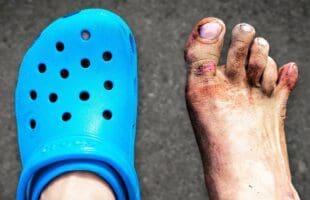
The commonest reason for heel pain in adults is the condition of plantar fasciitis, however up to a quarter of chronic painful heels could be a nerve that is trapped identified as Baxter’s neuritis. These two problems frequently get confused and will lead to a poorer consequence when the diagnosis is not made correctly as soon as possible. The Baxter’s nerve or technically, the first branch of the lateral plantar nerve supplies nerve sensation to the heel area and also supplies several muscles on the bottom of the feet. As soon as the nerve goes by into your foot from the ankle joint area it then changes from being vertical to run in a horizontal path passing between two muscles. This nerve can become entrapped or pinched in this spot when the muscles become increased. The Baxter’s nerve could also be compressed by a bony heel spur or maybe the swelling from a plantar fasciitis may irritate this nerve. The specific explanation for the pinched nerve is not entirely obvious but can be resulting from trauma to the muscle or even an growth of the muscle from overuse.
The area of the pain of the Baxter’s neuritis and plantar fasciitis are commonly in on the same area therefore it can be difficult for any clinician to tell the distinctions. On the other hand, there are some things that will indicate one diagnosis over the other diagnosis. Plantar fasciitis is generally a lot more painful first thing in the morning for those initial few steps each morning as opposed to the Baxter’s neuritis is not typically even worse for those first few steps each day and becomes worse later in the day. The highest area of discomfort for plantar fasciitis is beneath the calcaneus whereas for Baxter’s neuritis it can be underneath the heel along with perhaps slightly on the medial side of the calcaneus area at the same time. Since a nerve is associated with Baxter’s there could possibly be many nerve like indicators for example shooting pains, numbness or pins and needles like perception. A clinician can probably do some exams that will stretch out the nerve and produce the symptoms. Imaging is a far more definitive approach to distinguish them. An ultrasound or MRI is going to indicate the inflammation of a plantar fasciitis to verify that diagnosis. Should there be no swelling of the plantar fascia, then the diagnosis is more likely Baxter’s neuritis. In some cases an MRI could possibly demonstrate a inflammation with the nerve in the location where the entrapment is. In addition to ruling out plantar fasciitis, there are other heel pain conditions which the symptoms can be caused by which will need to be eliminated. These can include a wasting with the plantar heel fat pad, a stress bone fracture of the heel bone with a rheumatoid condition that can cause .
The management of Baxter’s nerve entrapment can include a number of similar things that are utilized to deal with plantar fasciitis. Shock absorbing heel cups and foot support are often used to help support the area. Barefoot walking might be painful, so that is best avoided. NSAID medicines can be used and also steroid injection therapy may be needed. For all those cases that happens to be resistant against this treatment, a surgical removal of the Baxter’s nerve is usually necessary.
Advertisement:

- 👍👍【WIDE APPLICATION】The Non-Slip Design and Soft Gel Lining Will Not Cause The Sole to Slip, Just Peel Off the Film and Put it Into the Shoe as Needed, This Gel Heel is Suitable for a Variety of Occasions and Shoes, Such as Sneakers, Walking Shoes, Boots, They Can Be Worn All Day Long, Ideal for Nurses, Hotel Workers, Runners, Dancers, Athletes, Etc.
- 👍👍【FIRM ADHESION】 - The Self-Adhesive Technology Provides Strong Adhesion and Keeps the Heel Pad Securely in Place on the Shoe. In Addition, The Insoles Can be Reused as Often as you Like - Just Wash Them in Warm Water and Let Them Dry Naturally.
- 👍👍【PAIN RELIEF】Protect your Heel Pain and Relieve your Ankle Muscle Fatigue. Helps Target your Heel to Promote Relief, Help With Plantar Fasciitis and Reduce Heel Pain When Running, Walking and Standing. It Features a Soft, Dual-Density Silicone Gel to Prevent Heel Impact and Evenly Distribute Pressure for Better Comfort Throughout the Day.
- 👍👍【SUPER CUSHIONING】 Thanks to the New Super Flex Technology, The Heel is Gently Cushioned on Every Impact, Providing Even Pressure Distribution Throughout the Foot - This Ensures Walking Comfort and Reduced Pain and Fatigue.
- 👍👍【100% SATISFACTION 】We are Here to Help you Every Step of the Way, Our Goal is your Happiness and Foot Pain Relief, If you Receive any Problems With the Product, Please Contact us Promptly, We Will Give you a Satisfactory Answer Within 24

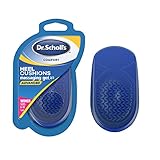
- Designed for people who experience discomfort in their heels and want extra cushioning
- All-Day Shock Absorption and Cushioning to Relieve Heel Discomfort
- Built with Massaging Gel Technology, they provide all day cushioning
- Fits any shoe. No trimming required

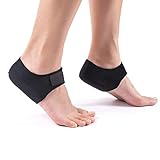
- Instant Heel Pain Relief - The heel cover has the perfect thickness gel in the heel pads, can effectively absorb impact, provide support for your feet, reduce pain or discomfort from injured tendon, plantar fasciitis, achilles tendonitis, bone spur, cracked sole heel pain, stress fractures and swelling
- Premium Quality Material - Made of skin-friendly & lightweight fabric material and the heel pad is soft & durable gel filled, it can take the pressure off the area, effectively absorb the impact force, better protect your heel. Compared with the pure silicone heel cover pad, this heel protector is more breathable and moisture-wicking, the pad also does not easily wear down
- Comfortable & Adjustable Design - The hook&loop design holds securely and the slight stretchiness of the straps, they are adjustable to fit different sizes of feet, keeps your feet snug and comfortable, and keeps the gel heel pad in place as you walk around
- Active Lifestyle - These heel pads provide pressure distribution for better comfort and shock absorption, it provides added heel protection. Wear this heel pad in your shoes and you would feel like walking on a squishy cloud, so when you stand, walk, run, go biking and do any type of activity with no discomfort, fatigue or pain
- Package includes: 1 Pair - Black Heel Cushion Pads, would be for both men and women, protect your foot while in physical activities or in other daily work. Women: US Shoe Sizes 6-11. Men: US Shoe Sizes 6-10
- [Foot Pain Relief] MIAYOHO Heel sleeves relieve symptoms of plantar fasciitis, tendinitis, heel spurs, and general heel pain in an all-natural way. Their innovative design offers relief for shin splints, heel spurs, ankle, leg, back. It helps with Achilles Tendonitis, Plantar Fasciitis, Heel Pain, Sever's disease in children, and heel discomfort.
- [Latest Upgraded Material] We dedicated to becoming the best footcare products supplier. Base on customers’ feedback, we updated these heel cups, inside high-density gel pads provide maximum shock absorption, reduce muscle fatigue of the feet, knees and lower back.
- [Podiatrist Recommended] Designed by a leading podiatrist and is recommended by specialist physicians to assist in heel protection and managing several foot conditions. Perfect heel pads for men, women, and kids can be used in conjunction with other standard treatments.
- [All Day Comfort] These Heel cups made of breathable fabric and cushioned for all day comfort. Durable gel and soft fabric and moisture-proof, allowing for ventilation and reducing uncomfortable; Adjustable, self-sticky and anti slip, better protect your feet.
- [Worth a try] These heel protectors are ideal treatment for plantar fasciitis, heel spurs, bone spur, flat feet, high arch, shin splints, tendonitis, and other disorders. And make the difference in impact force reduction, it provides added heel protection, 60x pressure relief, better shock absorption.

- Insoles for Plantar Fasciitis: This orthotic insert aids symptoms of plantar fasciitis to help provide relief for aching in the heel, or burning, stabbing pain in your foot
- Long Lasting Relief: These insoles offer support and relief for pain on bottom of your foot when you walk and burning, stabbing pain near your heel with our Patented orthotic design that supports entire plantar fasciia
- For Your Foot Health: Try all of our foot care products including custom inserts, foot cushions, heel pads, orthotic insoles, toe beds and pouches, and treatments for bunions, corns and more
- Footcare Experts: We know foot pain and discomfort can stop you from walking, running, working, standing, or whatever you need to do, that's why we make the highest quality products with the best materials
- Profoot Products: We're here to provide you relief for a variety of issues from plantar fasciitis, foot pain, arch pain, back pain, hammer toes, cracked heels, corns, calluses, blisters, bunions, and more
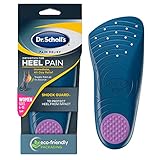
- Designed for people who suffer from heel pain, including pain from plantar fasciitis and heel spurs
- With Shock Guard Technology to immediately help relieve pain-inducing shock at its source
- Supportive Heel Cup complements heel’s natural padding
- Fits Casual shoes, Sneakers & Work boots/shoes. No trimming required
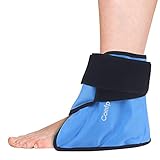
- Targeted Heel & Ankle Pain Relief - Comfpack heel ice pack wrap is ergonomically shaped to provide excellent coverage of the entire rear of the foot, offer targeted relief for heel, ankle, plantar. Ideal to relieve pain from ankle sprains, foot swelling, strains, achilles tendonitis, foot pain, plantar fasciitis, heel spur, and can also help speed up postoperative and injuries recovery.
- Stay Cold Longer & Flexible - Filled with expert gel, the comfpack ankle ice pack for swelling keeps cold for more than 30 minutes, and remains flexible & pliable when taken out of the freezer, making it very comfortable to wear.
- Easy to Wear - The 3D designed ankle ice pack wrap can be worn in just 2 steps without any effort, provied instant relief when pain comes. Equipped with a comfortable elastic strap, the ankle foot ice pack wrap for injuries can be secured around your ankle for hands-free use, and can also add compression to enhance cold or hot therapy for maximum relief.
- Fabulous Quality & Durable Fabric - Comfpack ankle ice pack wrap with edge cover design can prevent the ice pack from leaking gel. Made of high-quality thick nylon, our foot ice pack wrap is reliable to reuse without worrying about tear & damage.
- Comfpack's Promise - Come with sealable storage PE bag to prolong the usage lifetime and isolate the fridge odor. If you are not satisfied wiith the product, please contact us, we will immediately send you a replacement or give you a full refund.

- 🔴PLEASE BE AWARE: Our Compression sock provides STRONG COMPRESSION to ensure effectiveness.
- Effective Aid For Foot Pain Relief - Featuring strong 20-30mmHg compression, these socks exert considerable pressure that can help ease stress, swelling, arch pain, injuries, and Achilles tendonitis.
- Wear It All Day Long - Made from fabric that's comfy, breathable, and moisture-wicking. Anti-slip cuffs keep the socks in place–perfect for professionals who stay on their feet the whole day.
- Superb Craftsmanship - Premium materials and strict quality assurance practices lend exceptional durability and reliability to these foot support socks. They'll help and serve you well for a long time.
- Compression Socks For Men & Women - Available in small, medium, large, and extra-large sizes. Please measure your feet's arch circumference and refer to the size chart to find a fit that suits you.
We get commissions for purchases made through links on this website. As an Amazon Associate I earn from qualifying purchases.