Barefoot running has been a large trend about ten years ago that lasted a couple of years which pulled in plenty of interest, particularly in social media. At the end of 2008 to early 2009 there were escalating promises that athletic shoes were in fact bad for the athletes and has been responsible for a lot of the injuries which athletes are getting. It was regardless of the extraordinary volume of science and engineering which went into improving running footwear in order to avoid those running injuries. These claims led to a trend for athletes to experiment with running not using athletic shoes and running barefoot or running in what become often called minimalist athletic shoes. Most of these running shoes had minimum technology or features inside them and were simply just a safety covering up of the feet.
The barefoot running craze was pushed by a large existence in social media. There had been loads of web sites, books, courses, magazines and forums focused on and advocating barefoot running. A number of extraordinary promises were made for barefoot running as to what it might do for the athletes. It had been believed that up to 25 % of runners perhaps have experimented in some way with barefoot running. Nonetheless, by late 2013 and earlier 2014 involvement with barefoot running had evaporated away and athletes weren’t any longer excited about it. This lack of interest was despite all the astonishing assertions that got made around the great things about it as well as the statements coming from some that it had been intending to put the running footwear organisations bankrupt. This in no way occurred.
The trend decreased because the assumed benefits rarely built up for the majority of runners who used it. There initially were a lot of comments made how the science backed up without running shoes running, when in actuality there was no research which indicated that it turned out superior and subsequent research has shown that the overuse injury incidence in barefoot or minimalist running is not really less than people who run in the cushioning athletic shoes. There was clearly a lot of research done on barefoot as well as minimalist running, but that science did not reveal that it was any better, it simply demonstrated that it was different. The undeniable fact that there was a huge amount of research which was misunderstood by those who pushed barefoot running as demonstrating it was better, when that is not exactly what it demonstrated.
At the end of the barefoot fad, the Hoka One One running footwear organization launched some maximally cushioned running footwear which were made fun of and loathed by individuals advocating barefoot running. Even though, athletes liked this footwear and the Hoka’s have become a major manufacturer in the athletic shoes market and since 2014 the movement continues to be for the more maximally cushioned running footwear from all of the running shoe companies.
You can find however a tiny group of die hard barefoot athletes which was ever present. Currently the minimalist running shoes make up around 0.3-0.5% of the running shoe market for the recent years. The maximalist running footwear carry on and dominate the market for the past 5-6 years and there is absolutely no indicator of any drop in their market share or even a return of an fascination with barefoot or minimalist running shoes.
What is the science behind going barefoot?
Advertisement:

- Open engineered knit upper offers enhanced breathability and comfort.
- Zero-drop, non-elevated sole for proper posture and balance.
- Removable sockliner (insole) if you want a "more barefoot" feeling.
- Designed with a wider than average toe box to allow the forefoot to spread.
- The rubber outsole provides long-lasting durability and adequate grip.

- Rubber outsoles offer the optimal balance of traction and durability, with a responsive feel on unpredictable terrain.circular lug patterns provide grip during movement
- Removable insoles support the feet’s arches and not cause too much pressure and transfer weight over the ball of the feet.
- Thicker topline wrapped perfectly around feet, which make shoes not fall off during exercise
- Reflective strip on heel counter,make sure safty during exercise at night
- The purpose of minimalist shoes is to give our feet maximum amount of freedom to move and function as if we are walking barefoot.

- Stretch breathable ultra-light material, flexible and comfortable.
- Super lightweight and low top with speed elastic draw-string ties system, easy to put on and take off.
- Strengthen toes protection structure design, rubber sole, preventing sand, sharp rocks, broken glass or other objects from entering the shoe, omnidirectional reduce injuries.
- Lump lug design rubber outsole for superior grip and durability.
- Suitable for running, walking, gym, fitness, training, pilates, jogging, biking, camping, cruise, boating, surfing, sailing, long-haul flight, vacation etc. This shoe is necessary equipment for holidays.
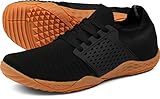
- Padded rear collar pad for achilles comfort.
- 5 mm POWER FOOTBED for underfoot cushioning.
- Engineered knit upper for a sock-like fit and flexible feel.
- Zero-drop, non-elevated sole for proper posture and balance.
- Sticky-grip rubber outsole combines grip, traction, and durability for trail-ready performance.
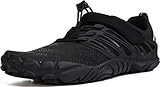
- A wide toe box lets your toes spread and relax.
- Produced using animal free products and processes.
- Removable sockliner (insole) if you want a “more barefoot” feeling.
- True rubber sole provides great protection while still getting the ground feedback.
- Note, if between sizes, order next size down

- 【Comfortable & Breathable Material】Lorax Pro Barefoot shoes thanks to the breathable synthetic fibers, the sole remains ventilated, ensuring comfortable breathability. This keeps your feet dry and cool.
- 【Natural Gait 】 Barefoot shoes promote a natural walking style that strengthens foot and leg muscles while preventing knee, hip and back pain.
- 【Barefoot Shoes】Wide enough toe box allows your toes to relax and spread out naturally for more comfort and stability in uphill climbs and downhill descents, helping with balance and giving you better feedback from the ground.
- 【Anti-slip Sole】 Professional non-slip rubber sole with unique pattern design increases friction and grip to prevent slipping in the field. It can improve your balance and coordination by adjusting movements through feedback.
- 【BEST CHOICE】 Barefoot shoes can be used for a variety of activities such as boxing, running, weightlifting, walking, hiking, yoga, golf, gym, weightlifting and water sports. It also could be matched with your daily wear,such as shorts,pants,etc.
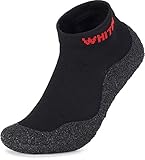
- Non-marking rubber outsole with good traction.
- Sock uppers ensures ultra freedom, comfort, moisture-wicking and durability.
- Durable rubber outsole was designed to be protective and last in tough nature conditions.
- Without adhesives and seams makes the shoes not just eco-friendlier, but also machine washable.
- This minimalist sock shoes are the perfect alternative to the skin shoes, yoga shoes, barefoot shoes, running shoes, travel and driving shoes, finger and toe shoes, or even water shoes.
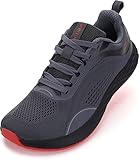
- A wide toe box lets your toes spread, splay, relax, and function naturally.
- Zero Drop design allows for proper posture, and it's built low to the ground for balance and agility.
- Soft mesh upper and lining provides a breathable and more comfortable interior fit.
- EVA midsole provides lightweight cushioning and adaptive energy return for serious stability and shock absorption.
- Durable rubber outsole provides the perfect combination of grip, traction, and durability on all types of terrain.
We get commissions for purchases made through links on this website. As an Amazon Associate I earn from qualifying purchases.